

Recha-Lübke-Damm 19, 20097 Hamburg
Beauty Salon Valerii
Monday – Friday: 10:00 – 18:00
Saturday: 10:00 – 17:00
Sunday: closed
Retinol is rightfully considered one of the most effective ingredients in modern cosmetology. It's chosen for its ability to improve skin quality, even out texture, and combat breakouts, wrinkles, and pigmentation. However, retinol is still surrounded by many myths: some are afraid of irritation, others don't know where to start, and some use it incorrectly and don't achieve the desired results.
In this article, we'll explore how retinol works, who it's suitable for, how to properly begin your skincare regimen, and which retinol products to choose to achieve results without stressing your skin.
Retinol is an active form of vitamin A used in cosmetics to stimulate skin renewal. When applied to the skin, retinol triggers regeneration processes, accelerates cell renewal, and influences the production of collagen and elastin.
In Korean cosmetics, retinol is often presented in modern, stabilized forms or combined with soothing ingredients. This makes the treatment gentler and more suitable even for sensitive skin.
The main action of retinol:
accelerates skin cell renewal;
improves density and elasticity;
evens out texture;
helps skin look smoother and fresher.
This is why retinol is considered a key ingredient in anti-aging and problem skin care.
Retinol-based products work in several directions at once, making them versatile for a variety of skincare needs.
Retinol for acne and breakouts
Retinol helps:
prevent clogged pores;
reduce inflammation;
reduce the likelihood of new breakouts;
to even out the skin texture after acne.
Retinol for wrinkles and loss of elasticity
With regular use, retinol:
stimulates collagen synthesis;
reduces the appearance of fine wrinkles;
improves skin density;
makes facial contours more defined.
Retinol for pigmentation and uneven skin tone
Retinol accelerates skin renewal, due to which:
pigment spots gradually become less noticeable;
skin tone appears more even;
the skin acquires a healthy glow.
Retinol for improving skin texture
The skin becomes:
smoother;
visually smooth;
well-groomed and "polished".
Retinol is suitable for:
for skin with rashes and post-acne;
for dull skin with uneven texture;
for skin with the first and pronounced signs of age-related changes;
for combination and oily skin.
Retinol should be administered with caution:
for very sensitive skin;
if the skin barrier is damaged;
during the period of active dermatological procedures.
It's important to understand that retinol is not an aggressive enemy of the skin, but an active ingredient that requires the right approach.
One of the biggest mistakes is starting with frequent use and high concentrations. The correct approach is gradual.
Basic diagram for beginners
Use a retinol product 1-2 times a week.
Apply only in the evening.
Use a small amount of the product.
Be sure to complement your care with a moisturizing cream.
After 3-4 weeks, the skin adapts, and the frequency can be increased to 2-3 times a week.
How often
Beginners: 1-2 times a week
Advanced level: 2-4 times a week
Daily use - only with good experience and a properly selected formula
What can retinol be combined with?
moisturizing components;
ceramides;
panthenol;
niacinamide;
soothing extracts.
What not to combine with
aggressive acids in one evening;
strong exfoliants;
several active anti-aging products at the same time.
Retinol increases skin's sensitivity to UV rays. Therefore, SPF is not a recommendation, but a mandatory skincare step.
Using sunscreen:
protects skin from pigmentation;
prevents photoaging;
maintains the results of retinol;
reduces the risk of irritation.
SPF should be used every morning, even in cloudy weather.
For sensitive skin
products with low concentrations of retinol;
formulas with soothing components;
creams and serums with a mild effect.
For oily and problematic skin
retinol serums;
light textures;
Nighttime breakout control products.
For mature skin
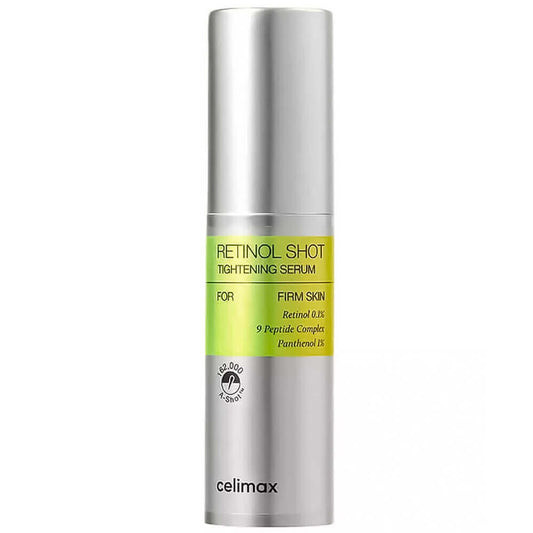
creams with retinol and peptides;
night products with retinol;
formulas aimed at skin elasticity and density.
Retinol-based skincare products are a powerful skincare tool that, when used correctly, helps skin appear more even, smooth, and nourished. The key is to choose the right product, introduce retinol gradually, and remember to protect your skin.
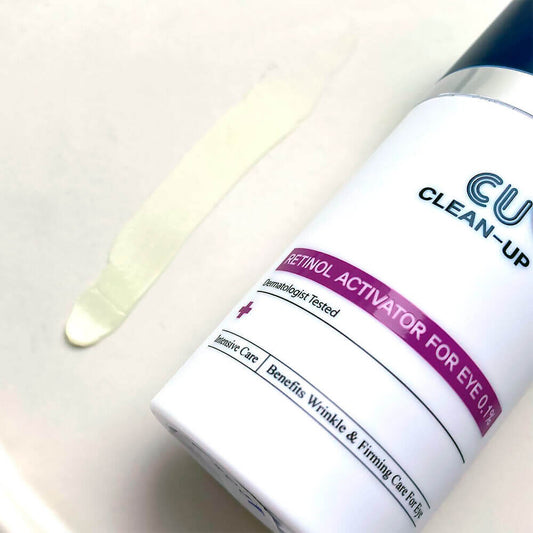
The DYBEAUTY retinol category features products that allow you to safely and comfortably incorporate retinol into your skincare routine, regardless of your skin type or skincare level. By choosing the right product, you're taking a step toward healthier, more beautiful skin.
